
The Best Building Materials for Perth’s Hot, Dry Summers
Perth has long, hot, dry summers and mild winters. Because of this, choosing the right building materials isn’t just about how a home looks, it’s about staying comfortable, keeping energy bills down, and making sure your home performs well over time.
The best materials help reduce heat coming into the home, support natural (passive) cooling, and cope with our strong sun. Here’s a simple guide to what works well in Perth’s climate.
Understanding Thermal Mass and Insulation
Before looking at specific materials, it helps to understand two key ideas.
- Thermal mass refers to a material’s ability to absorb and store heat. High thermal mass materials such as concrete, brick, and stone can help moderate indoor temperatures by absorbing heat during the day and releasing it later, helping to even out temperature swings. This is particularly effective in dry climates where nights are cooler. To work well, thermal mass should be protected from direct sunlight and excessive heat; shading and appropriate insulation help prevent it from overheating and releasing too much heat at night. Learn more about thermal mass on the YourHome website.
- Insulation slows the movement of heat. Materials with higher insulation values help keep heat out in summer and warmth in during winter.
In Perth homes, the best results usually come from combining thermal mass with good insulation, along with smart design choices like shading, orientation, and ventilation.
Brick and Masonry
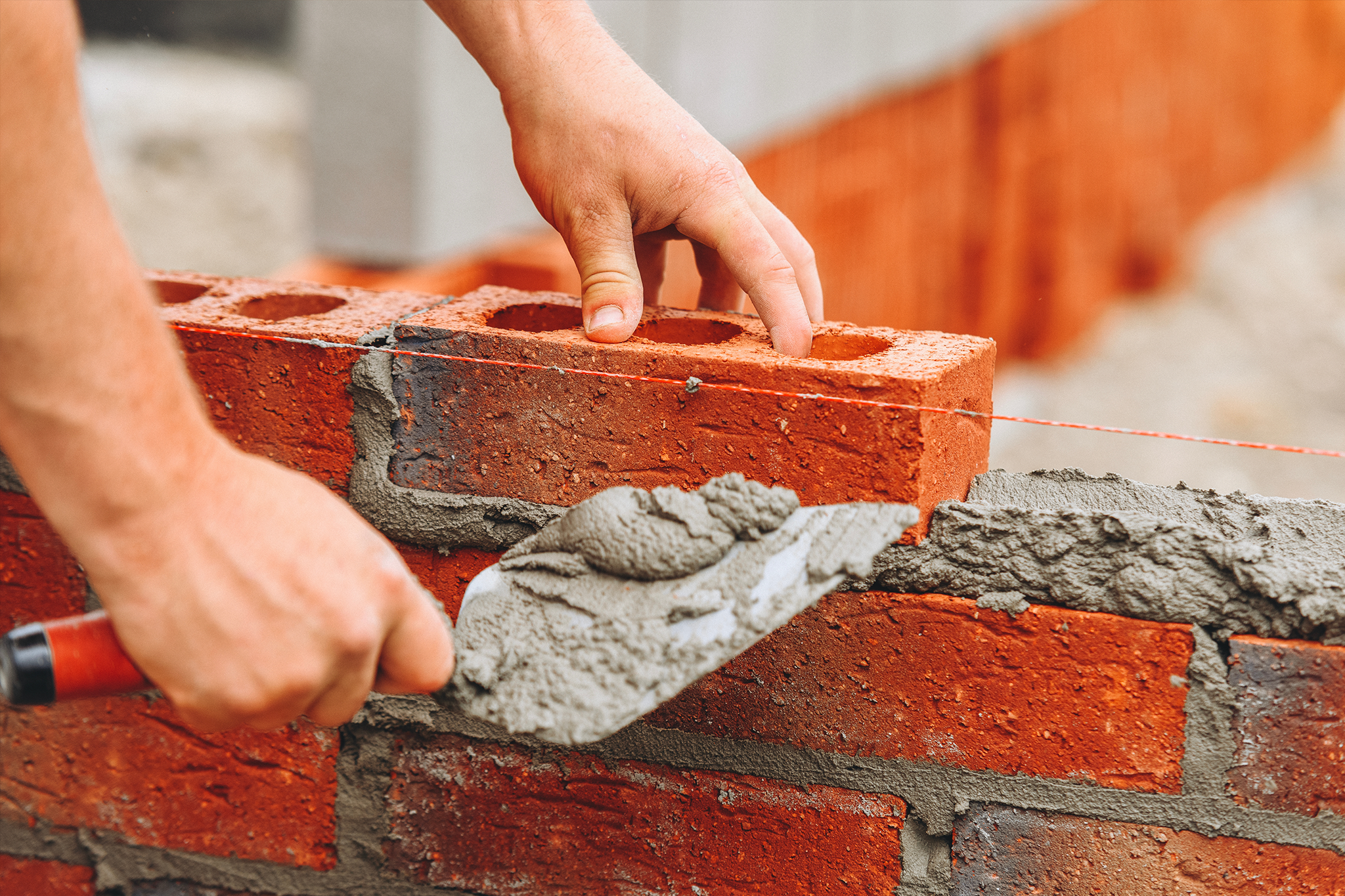
Brick and concrete masonry are popular in Perth, and for good reason. They’re strong, long-lasting, fire-resistant, and provide good thermal mass.
- Brick: Clay bricks have high thermal mass and stand up to UV exposure, meaning they handle Perth’s sun well and help stabilise indoor temperatures.
- Concrete blockwork: Concrete blocks also have high thermal mass, but usually need added insulation to perform well.
Masonry is also well suited to coastal areas, as it handles salt air and strong UV exposure with minimal maintenance.
Lightweight Yet Durable Alternatives
Not all homes need heavy materials. Some modern systems offer good thermal performance while being lighter and quicker to build.
- Autoclaved Aerated Concrete (AAC): AAC blocks and panels contain air pockets, which improves insulation while still offering some thermal mass.
- Structural Insulated Panels: These panels combine insulation with structural strength, creating well-sealed walls that reduce heat transfer.
These systems are popular in modern homes focused on energy efficiency and faster construction.
Timber & Engineered Wood
Timber is a renewable material with a lower environmental impact than many masonry products, especially when sourced locally. It naturally insulates better than concrete or brick and works well for frames and cladding.
Because timber is lightweight and has lower thermal mass, timber homes rely more on good insulation, shading and ventilation. With features like wide eaves, cross-ventilation and reflective finishes, timber homes can stay cool and comfortable in summer.
Natural & Eco-Friendly Materials
For those wanting sustainable options, several natural materials also perform well thermally:
- Rammed earth: Made from compacted natural soil, rammed earth has very high thermal mass and helps keep indoor temperatures stable.
- Hempcrete: A lightweight mix of hemp and lime, hempcrete provides good insulation and helps regulate temperature, while also being environmentally friendly.
These materials are becoming more popular for their comfort, sustainability and health benefits.
Roofing & External Finishes
In Perth, the roof is often the biggest source of heat entering a home, so material choice here is critical. Keep in mind that light-coloured or reflective roofs reduce heat absorption and keep roof spaces cooler. Metal roofing with reflective coatings is widely used in WA because it’s durable and performs well in the heat. Roof insulation and radiant barriers also help stop heat from entering the home during summer.
Windows and Glazing
Windows can let in a lot of heat if they aren’t designed properly. Double glazing and low-E glass reduce heat coming inside, and shading devices like eaves, screens, and external blinds make a big difference, especially on west-facing windows.
Closing Thoughts
There’s no single “perfect” building material. The most comfortable and energy-efficient homes use a combination of materials that balance thermal mass, insulation, durability, and sustainability.
If you’re planning to build, working closely with your architect, builder, and energy assessor early on will help ensure your material choices support passive design and will keep your home comfortable and energy-efficient year-round.