
Termites: The Tiny Threat Every First‑Home Builder Should Know About
Building your first home is exciting — floor plans, layouts, finishes… that’s the fun part. But there’s one not-so-glamorous step many first-home builders overlook until it’s too late: termite and timber pest inspections.
Termites might seem like a problem you only hear about in old houses, but that’s a misconception. In fact, Perth’s warm climate and sandy soils make it a high‑risk zone for subterranean termites, which are among the most destructive timber pests in Australia. These termites don’t just eat old rotting wood; they target structural timber, frames, flooring joists, skirting boards and more. Fun, right? Left undetected, termite activity can compromise a home’s structural soundness, and insurance usually won’t cover this type of gradual damage.
Even newly built homes can be vulnerable if proper barriers weren’t installed correctly, if soil conditions change, or if moisture and timber come into contact in unexpected ways. That’s why pre‑construction planning and post‑build checks are so important.
What Does a Termite & Timber Pest Inspection Involve?
A professional termite inspection looks for both signs of termites and conditions that may attract them. This includes inspecting:
- The exterior foundation and soil‑to‑timber contact points
- Subfloor areas (if accessible)
- Interior walls, framing, and roof voids
- Trees, fencing, garden beds, and timber structures within the property boundary
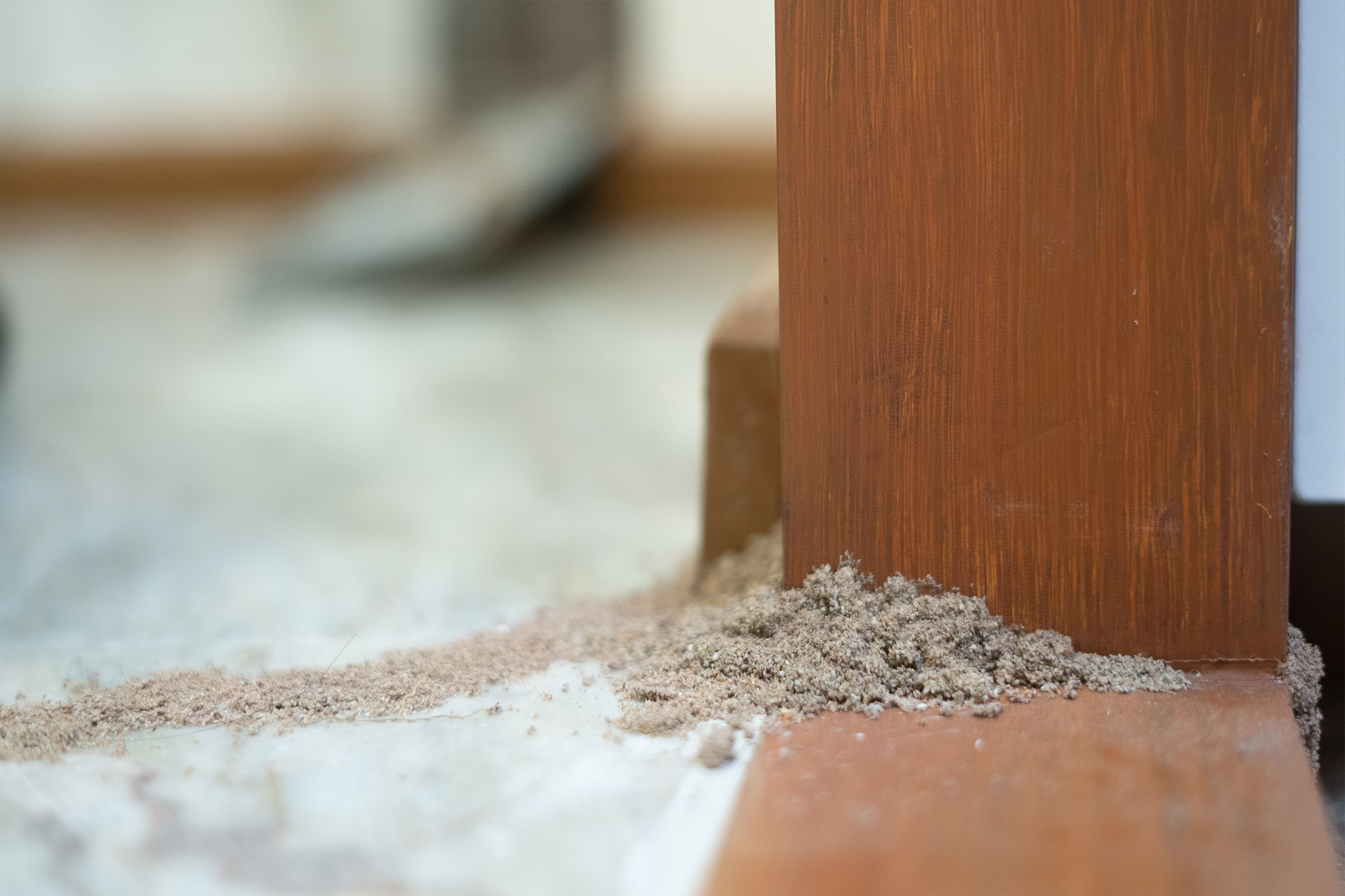
The inspector will identify any termite mud tubes, damaged timber, moisture issues, and other signs of past or current activity. They then issue a report you can use to make decisions about your property. A thorough inspection can take anywhere from around 45 minutes to a couple of hours, depending on your property size and accessibility.
When Should You Schedule an Inspection?
There are three main times you should consider termite and pest inspections:
- Before signing a build contract: It’s worth knowing your block’s termite risk before construction starts, especially if you’re buying vacant land. Knowing sooner rather than later is a game changer.
- During the build: Inspections can verify that termite barriers and management systems are installed correctly according to Australian Standards.
- After construction and regularly in future: Even if your build has a termite management system, annual inspections are strongly recommended in Perth, and more frequent checks may be sensible in high‑risk areas.
This isn’t just about finding termites that are already there — it’s about spotting conditions that could lead to termite problems so you can address them early.
What Happens If Termites Are Found?
Despite what you may have heard, termite activity doesn’t mean your only option is to burn down your house and run. If termites are detected, the inspection report typically outlines treatment options and preventive measures. Professional pest control companies can install or reinforce termite barriers, implement baiting or treatment systems, and recommend moisture control solutions around your home’s perimeter. Early detection usually means smaller, less costly treatments compared with repairing extensive damage down the track.
Minimising Termite Risk
Alongside professional inspections, you can take basic steps to reduce termite attraction:
- Keep timber off the ground: ensure decks and external timber aren’t in direct soil contact.
- Manage moisture: ensure good drainage, fix leaks, and avoid soil build‑up against walls.
- Maintain barriers and access points: ensure that expansion joints, cracks, and weep holes are monitored and sealed if needed.
Protect Your Investment from Day One
For first‑home builders in Perth, ignoring termite and pest inspections isn’t worth the risk. With termite damage often more common than fire or storm damage in WA (who knew!), proactive inspections help protect your investment before problems arise, and can save you thousands of dollars in future repairs.
Whether you’re about to sign on the dotted line or have just picked up the keys to your brand-new home, don’t let termite and pest inspections slip down the list. It’s one of the smartest moves you can make early on, and the peace of mind that comes with it is hard to beat.