
The Grass is Always Greener (When You Know What You’re Doing)
When you’re building, it’s easy to hyperfocus on your home’s interiors, but it’s important not to forget about your gardens and lawn. After all, a beautifully designed home might look odd with a sandpit garden. Getting ahead of the rules (because you bet there are rules) and making smart choices from start of your building journey will undoubtedly save you a lot of frustration and money in the long run.
Understanding Irrigation and Reticulation
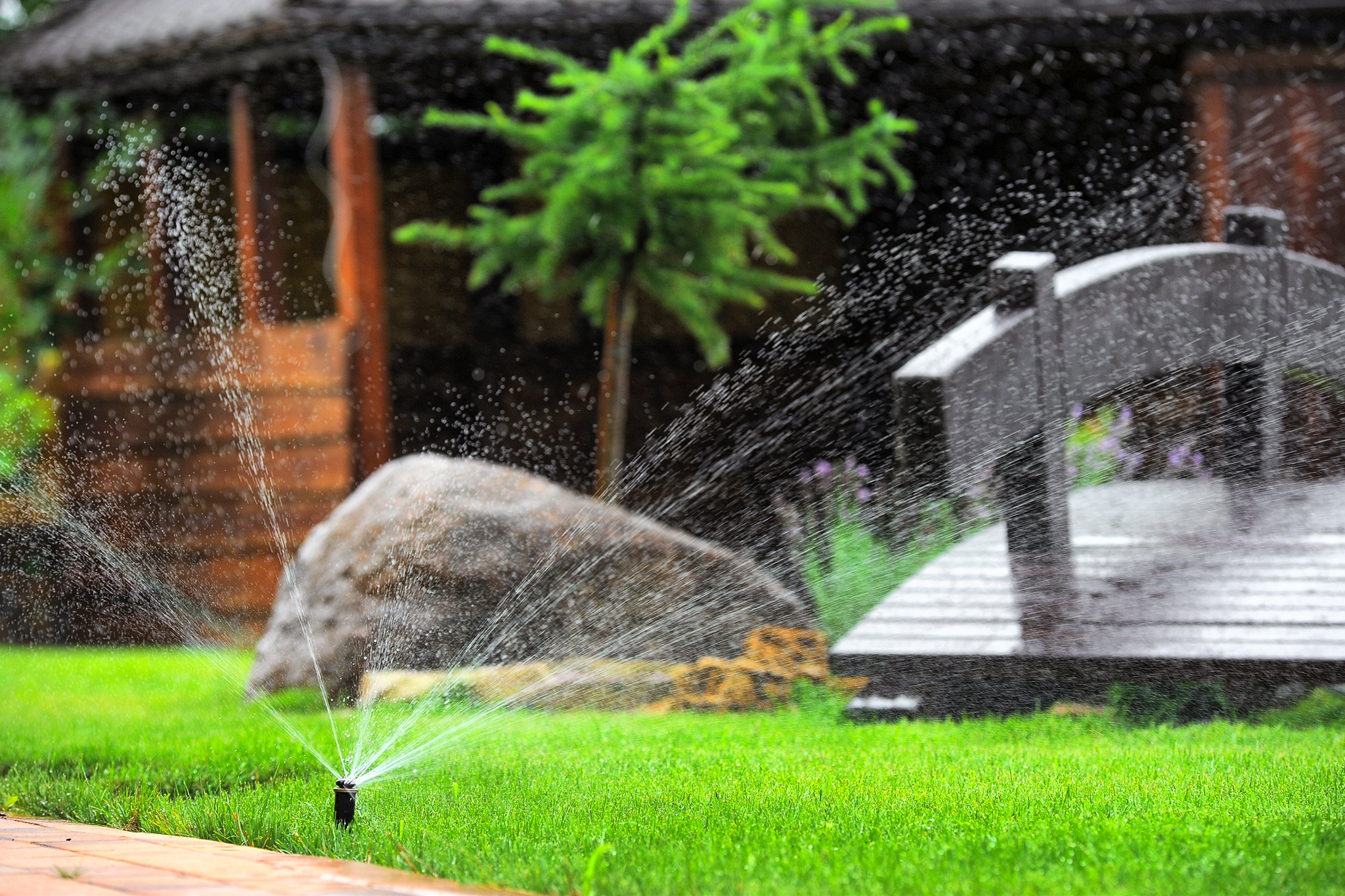
In WA, the terms irrigation and reticulation are often used interchangeably. Strictly speaking, irrigation is the broad, general term used to refer to artificial watering, while reticulation is the underground network of pipes, valves and sprinklers that deliver water to lawns and garden beds.
A well-designed reticulation system will distribute water evenly, minimise waste, and achieve healthy plant growth. Automatic reticulation systems are particularly popular in Perth. These systems use controllers (often programmable or Wi-Fi enabled) to align watering schedules with local restrictions and weather.
To get the most out of your system while staying compliant:
- Regularly check for leaks and system faults
- Adjust run times seasonally
- Use drip irrigation for garden beds where possible
- Install timers or smart controllers
- Test your system after power outages or maintenance
Landscaping for Perth Climate
Planting without climate in mind generally means you’ll put in a lot of work for little reward. Our Mediterranean climate – hot, dry summers and mild, wetter winters – means water efficiency is critical.
When choosing plants and designing your garden, consider:
Plant selection
Native, drought-tolerant plants (ideally native WA plants) reduce reliance on irrigation as they can handle dry summers without much help. Kangaroo Paw, Grevillea, Banksia, and Westringia are staples for a reason – they have low water needs, require minimal maintenance, and support local birds and pollinators. The Kings Park & Botanic Garden website has a helpful guide on growing Western Australian plants at home.
Lawn
For those of you who, until now, didn’t know there were different varieties of lawn – we’re with you. It turns out, choosing the right type of lawn is important. You don’t want to be left with a patchy, water-hungry mess. Buffalo varieties like Sir Walter and Sapphire perform well across most suburbs. They handle heat, tolerate some shade, and bounce back after summer stress (yes, lawn can get stressed, don’t judge). Zoysia is worth considering for lower-maintenance situations, while Couch remains popular for larger areas but requires more consistent watering to look its best. If this means nothing to you and you still have no idea, Bunnings has you covered.
Soil type
Perth’s sandy soils are notorious for draining fast – water passes straight through before roots have a chance to absorb it. Shorter, frequent watering cycles give soil time to absorb moisture without it disappearing straight down past the roots. It’s also worth considering a soil amendment like a wetting agent or compost blend worked into the top layer before laying turf or planting. This helps sandy soil retain moisture for longer and makes your reticulation more effective over time.
Zoning
Not all plants drink the same, and treating your entire garden as one zone is one of the most common (and costly) mistakes. Hydrozoning (i.e. grouping plants with similar water requirements on the same irrigation circuit) means your lawn isn’t getting the same schedule as your native garden bed, and your veggie patch isn’t being under-watered because it’s sharing a zone with drought-tolerant succulents. A well-zoned system is more efficient, extends the life of your plants, and keeps you comfortably within our watering roster restrictions.
Installation
Installing your reticulation system before the lawn goes down, before garden beds are planted, and before any paving is laid is crucial. Retrofitting retic after the fact means digging up freshly laid lawn, disturbing established plants, or jackhammering pavers to run pipework underneath. It adds cost, adds time, and often means compromising on where lines can run. Getting it in early, when the ground is clear and accessible, is one of the simplest ways to avoid an expensive headache mid-project.
Watering Rules and Restrictions
One of the most important aspects of irrigation is adhering to water restrictions. These rules are strictly enforced and apply to both scheme (mains) water and garden bores.
Key regulations include:
- Two watering days per week for most households
- Watering only before 9am or after 6pm to reduce evaporation
- A permanent winter sprinkler ban from 1 June to 31 August
If you’re installing a new lawn or garden, you may be eligible for a temporary watering exemption. This allows additional watering outside standard roster days to help plants establish.
Watering restrictions were introduced as part of long-term water efficiency measures due to declining rainfall and increasing demand across WA, and failure to comply can result in fines.
To learn more about watering regulations and to check your water days, visit the Water Corporation website.
Start Planning (and Planting)!
Outdoor spaces planned properly from the beginning – with the right plants and a smart reticulation layout that does most of the work – add real value to a property and are genuinely easier to live with. Plan it properly once, and you’ll never have to think about it again.