
Smart Home Trends to Watch in 2026
Now that 2026 is upon us, we thought it would be fitting to go through some home trends we suspect will continue to become more and more prevalent as the year goes on. Specifically, we’re focusing on smart home trends (think Iron Man’s house but less cool). People are increasingly adopting smart systems not just for convenience, but for energy efficiency, sustainability, and enhanced security. So, whether you’re renovating, building, or merely making some upgrades, understanding these smart home trends can help you make informed decisions that ultimately boost long‑term value and resale potential.
Smart Controls
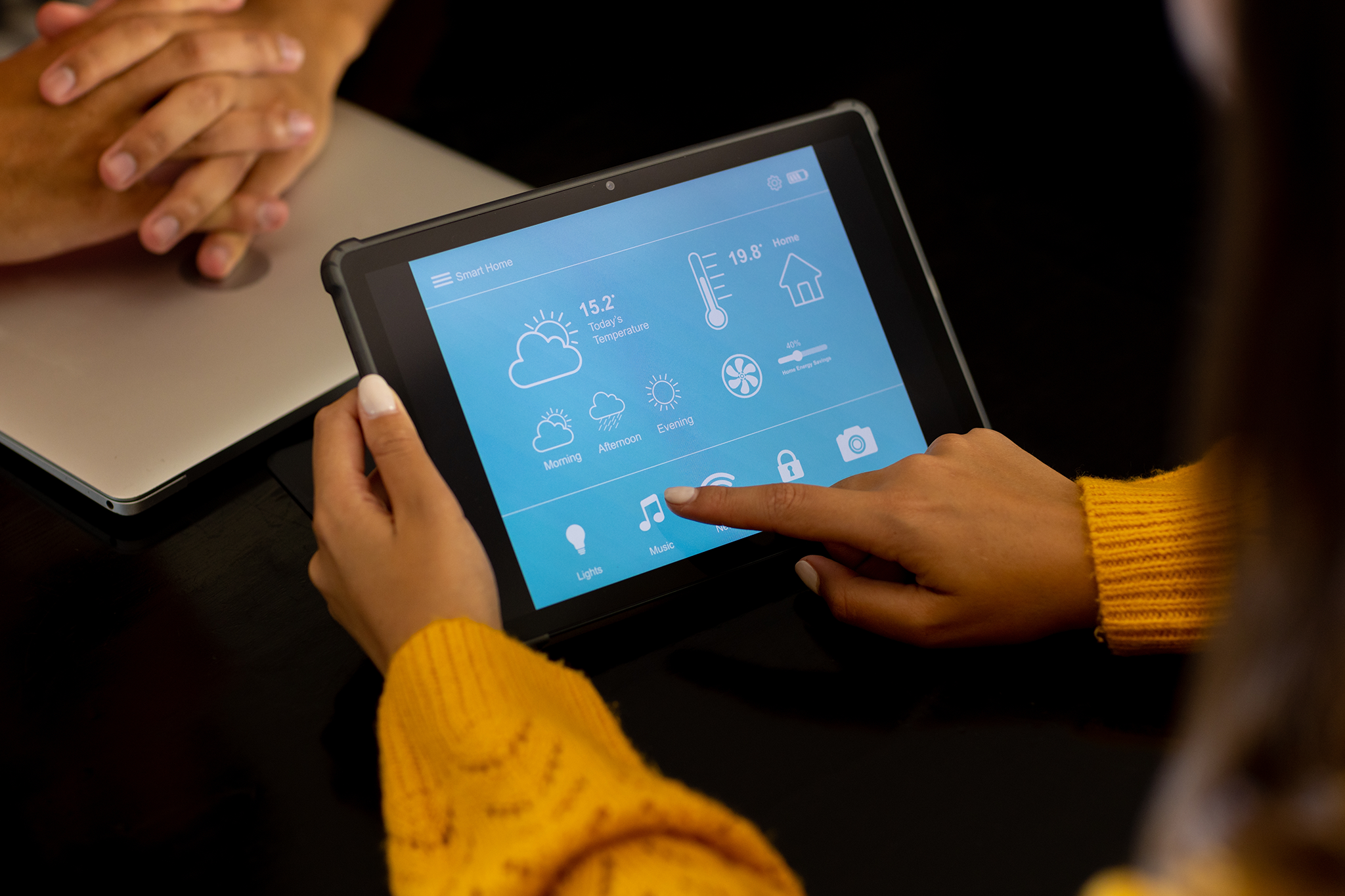
Smart home automation is no longer limited to tech geniuses – it’s mainstream. A smart home allows you to control lighting, heating, cooling, and appliances remotely via smartphones, apps, or voice assistants like Google Assistant and Siri. That means no more dreaded trips out of bed to reach the air con or heating controls! The flexibility smart controls provide makes daily life easier and enables personalised schedules for routines and climate control that adapt to your lifestyle and local weather patterns. For example, smart thermostats can learn your preferences and adjust heating or cooling automatically, helping keep your home comfortable while reducing energy usage and bills.
Energy Efficiency
Energy efficiency continues to be a major driver for smart homes, especially as homeowners try to reduce costs and environmental impact. The Department of Climate Change, Energy, the Environment and Water highlights that connected homes can optimise energy use by automating devices like heating and cooling and shifting usage away from peak tariff periods, which can lower bills and emissions.
In WA, the government also supports energy‑efficient homes through a variety of initiatives, including the WA Residential Battery Scheme, which offers rebates and no‑interest loans to help households install home battery storage systems, often paired with rooftop solar to maximise renewable energy use. See the WA Government Website for more.
Enhanced Security
Home security remains a top priority in 2026. Modern systems include video doorbells, motion sensors, automated locks, and remote monitoring features that homeowners can manage from their phones. These systems can send alerts, record footage, and even grant temporary access to guests or tradespeople, from anywhere!
Integration
One of the strongest trends we expect this year is the move toward fully integrated smart homes. Rather than standalone gadgets, homeowners are increasingly opting for systems where lighting, climate controls, entertainment, security, and appliances all work in harmony. A fully integrated platform lets you create customised settings, for example, a “Good Morning” mode that opens blinds, adjusts temperature, and turns on favourite lighting with a single command.
Planning for integration early, ideally during the design phase of a new build or renovation, ensures a smoother setup and stronger performance than retrofitting later on. Integrated design also makes technology easier to manage for the whole household.
Future‑Proofing Your Home
Smart technology evolves rapidly and choosing systems that are scalable and compatible with future upgrades is key. Opting for products that receive regular software updates, support modern connectivity standards, and interface with multiple ecosystems (like Apple HomeKit, Google Home, and Amazon Alexa) will help keep your home ahead of the curve.
Governments are also backing this shift, with federal funding initiatives such as the Household Energy Upgrades Fund, which provides support for energy‑efficient technology and renewable solutions, making it easier for homeowners to invest in future‑ready homes.
To Sum Up…
Whether it’s automation, energy efficiency, or security, smart home technology is shaping how we live. Embracing these trends can lead to greater comfort, lower operating costs, and a more resilient home. As smart systems become increasingly integrated and affordable, now is a great time to explore what they can do for your lifestyle.